What Is Doujin Moe? 7 Vital Rules for Safe Reading
Problem: Obscure search queries like doujin moe lead millions of anime fans into a maze of broken domains, risky malware redirects, and misleading definitions.
Agitate: Unofficial aggregator portals disguise themselves behind popular fan terms, stealing artwork from independent creators while exposing your personal devices to aggressive browser exploits and data harvesting.
Solution: This master guide cuts through the confusion, revealing the genuine creative culture behind the term, exposing deceptive third-party sites, and providing secure paths to support authentic independent artists.
Quick Reference: Core Concepts at a Glance
- Linguistic Split: The phrase pairs independent self-publishing (doujin) with character-focused affection (moe).
- Search Ambiguity: Searches often point toward unverified aggregator repositories rather than official creative hubs.
- Economic Reality: Authentic Japanese fan circles rely on legitimate marketplaces like BOOTH and DLsite to fund their art.
- Cybersecurity Exposure: Unofficial reading portals using the query regularly host malicious APKs, forced redirects, and tracking scripts.
- Intellectual Property: Japanese fan comics exist in an informal, symbiotic gray market governed by customary creator etiquette.
1. What Is the Real Meaning of Doujin Moe?
The term doujin moe represents an intersection between two cultural pillars of modern Japanese entertainment. It combines independent grassroots publishing with a specific, character-driven emotional connection that fuels the global anime subculture.
Many web users stumble upon doujin moe while looking for digital manga, unaware that it does not refer to a standardized literary genre. Rather, it serves as an umbrella query describing creative output made outside commercial publishing houses that emphasizes intense character appeal.
Commercial publishing relies on editorial boards, sales projections, and corporate distribution deals. In contrast, grassroots works emerge directly from fan communities who create stories for the sheer joy of celebrating their favorite fictional personalities.
2. Where Did the Words Doujin and Moe Come From?
To appreciate this phenomenon, you must separate its linguistic roots. The word doujin (同人) translates literally to “same person” or “people with shared interests.” Historically, literary circles during Japan’s Meiji and Taisho eras used the label to self-publish poetry journals and philosophical essays called doujinshi. Over the decades, passionate manga and anime fans adopted the term to describe their own self-funded, limited-run magazines.
The term moe (萌え) carries a colorful history within Japanese otaku communities. Rooted in the verb “to sprout” or “to bud,” the slang evolved during the late 1980s and early 1990s as a pun on burning passion (燃え). It captures the sensation of warmth, protective loyalty, and sheer joy a fan feels toward a fictional persona.
When fans discuss doujin moe, they highlight self-published stories driven by character affection rather than grand, plot-heavy epics. Understanding this linguistic pairing helps you separate organic fan culture from dubious commercial branding.
3. Is Doujin Moe an Official Website or a Cultural Term?
The term functions primarily as a cultural concept, not an authorized corporate platform. Online searches for doujin moe frequently point toward unverified aggregator sites, scrapers, and fleeting digital archives trying to harvest search traffic.
Many of these unofficial portals present themselves as legitimate digital libraries or community hubs. In reality, they rarely hold licensing agreements with the artists whose work they display. They copy materials from Japanese art platforms, slap automated translations across the pages, and monetize the stolen content through aggressive advertising networks.
Treating the query as an official digital brand exposes your private data to risk. Authentic creative networks identify their organizers, provide clear copyright disclaimers, and sell or distribute works with direct artist consent.
4. How Does Moe Culture Drive Independent Manga Creation?
Moe is not a content rating; it is an emotional catalyst. In mainstream commercial manga, artists must balance character interactions against rigid publishing schedules, corporate sponsorship demands, and mass-market pacing. Independent creators face none of these restrictions.
Under the influence of doujin moe aesthetics, artists craft dedicated character studies that spotlight small, intimate personality quirks:
- Archetypal Focus: Emphasizing specific personality traits like tsundere (outwardly harsh, inwardly gentle) or dandere (quiet, shy, and emotionally guarded).
- Domestic Slice-of-Life: Placing epic fantasy warriors into everyday situations, such as cooking dinner or grocery shopping together.
- Alternative Perspectives: Showing quiet moments between background characters that mainstream adaptations skip.
- Visual Expression: Prioritizing soft character designs, expressive eyes, and gentle color palettes over explosive action choreography.
This freedom allows independent creators to test narrative styles that corporate editors would reject as too niche. By focusing entirely on character appeal, these small projects cultivate loyal, highly engaged audiences.
5. What Types of Independent Works Exist in This Space?
The independent publishing sphere contains far more variety than mainstream commentators realize. Community creators use their platforms to produce everything from humorous single-page strips to multi-volume original graphic novels.
Within spaces tagged as doujin moe, stories often explore tender romances, comedic misunderstandings, and quiet, therapeutic interactions. While mature releases exist within the broader ecosystem, original general-audience publications remain a massive engine of community growth.
Talented independent artists frequently launch their careers in these spaces before being hired by major publishers like Kodansha, Shueisha, or Kadokawa. Independent publishing serves as a testing ground for Japan’s next generation of storytelling talent.
6. What Cybersecurity Risks Surround Unofficial Reading Portals?
Visiting unverified portals that target the doujin moe keyword carries real digital hazards. Because these aggregator websites operate in legal gray zones outside official consumer standards, they rely on predatory monetization strategies to turn a profit.
Before browsing unverified web-novel or comic directories, watch for these common security red flags:
- Forced APK and Extension Downloads: Pages that block content until you install an unknown mobile package file or browser add-on.
- Aggressive Pop-Under Scripts: Ad displays that trigger silent browser windows behind your active screen to harvest advertising clicks.
- Phishing Account Gates: Prompts demanding email registrations, social logins, or credit card verification for “free” access.
- Deceptive Interface Elements: Disguised download arrows or invisible overlays that reroute your clicks toward adult marketing hubs or malware payloads.
- Missing Operational Identity: Websites completely lacking an “About Us” page, verifiable company location, or genuine privacy policy.
Relying on unregulated hubs risks your hardware stability and exposes your personal identity. Protecting your system requires sticking to verified distribution models.
7. How Does Japanese Doujin Culture Actually Operate?
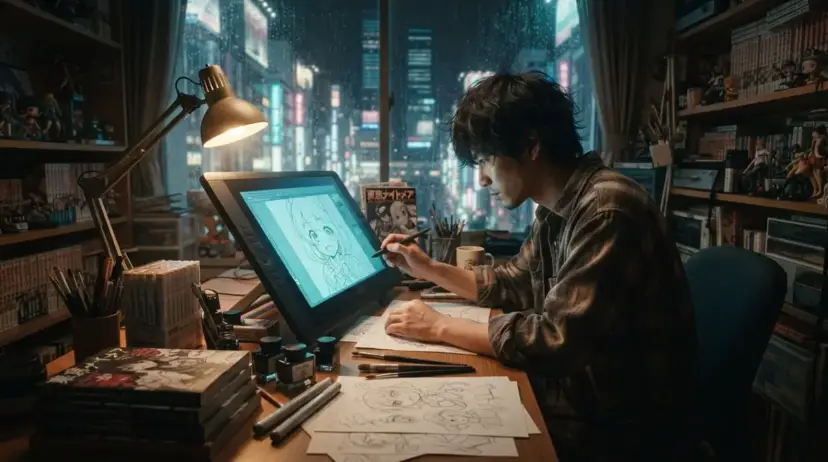
Authentic fan publishing is organized, communal, and widely respected across Japan’s entertainment landscape. Rather than hiding behind anonymous web servers, creators operate through organized collectives called “circles” (saakuru).
The cultural epicenter of this movement is Comic Market (Comiket), held twice a year in Tokyo. Comiket gathers hundreds of thousands of fans and tens of thousands of independent creative circles across a multi-day convention. Attendees line up for hours to buy physical print runs directly from the illustrators who drew them.
Outside of major conventions, circles consign their excess print inventories to specialized shops like Melonbooks or Toranoana. Digital releases find homes on legitimate web storefronts that process clean royalties for the artists. This structured ecosystem proves that the doujin moe creative drive flourishes best through open, creator-backed channels.
8. Platform Breakdown: Legitimate Hubs vs. Unverified Archives
To help you distinguish between authorized creative services and hazardous scrapers, review this side-by-side platform comparison.
| Platform / Entity | Primary Service Model | Licensing & Creator Consent | User Security Level | Direct Creator Compensation |
| BOOTH | Creator-managed digital & physical storefront by Pixiv. | 100% Authorized (Run directly by individual artists). | High (Standard SSL, secure payment rails). | Yes (Full revenue minus platform processing fee). |
| DLsite | Curated digital market for comics, voice works, and indie games. | Verified contracts with domestic and international circles. | High (Two-factor authentication, verified checkout). | Yes (Direct contractual royalties). |
| Pixiv | Global creator portfolio and fan-community network. | Direct artist uploads; creators manage visibility settings. | High (Corporate oversight, strict safety terms). | Yes (Via fan-support tiers like Pixiv FANBOX). |
| Manga Planet | Licensed commercial and indie digital subscription library. | Direct publishing licenses from Japanese rights holders. | High (Compliant payment systems and verified apps). | Yes (Contractual publisher royalties). |
| Scraper / Aggregator Sites | Unauthorized scans, automated web rips, and unverified translations. | Zero (Stolen and redistributed without artist permission). | Critical Risk (Adware, tracking, data scraping). | None (Operators pocket advertising revenue). |
As the comparison demonstrates, authentic fan services treat creators as economic partners. Pirate portals use the doujin moe label to generate ad impressions off stolen labor without compensating the creators.
9. What Are the Copyright Realities of Fan-Made Manga?
The legal reality of derivative fan works is fascinating and often misunderstood. Under strict readings of Japanese copyright law, creating derivative works using copyrighted characters without prior permission constitutes technical infringement.
Yet thousands of derivative circles sell their works openly at public convention centers. According to the Agency for Cultural Affairs of Japan, intellectual property owners hold absolute discretion over copyright enforcement. In practice, mainstream entertainment companies adopt an unwritten policy of tacit consent, often called mokunin (目認).
Publishers tolerate non-commercial, small-scale fan releases because they keep fan communities engaged between major anime seasons. However, this customary tolerance does not extend to global ad-supported piracy networks that scrape and re-host books for commercial gain.
10. How Can You Find and Read Legitimate Independent Manga?
Discovering authentic independent publications is straightforward when you use the same digital networks that Japanese artists rely on daily. You do not need to risk your online safety on unverified domains.
Follow this simple, reliable verification routine:
- Track Creators via Social Networks: Follow your favorite illustrators on social platforms like X (Twitter) or BlueSky. Artists routinely post promotional previews of their upcoming circle releases alongside direct store links.
- Browse Verified Art Repositories: Set up a free account on Pixiv’s creator network to view serialized web comics, short illustration sets, and community anthologies posted directly by their creators.
- Purchase Direct Digital Downloads: Use global-friendly storefronts like BOOTH to purchase digital books directly from the artists. Most digital circles distribute their publications as watermark-free, high-resolution PDFs.
- Inspect Official Event Catalogs: Search through the digital Web Catalog for major conventions like Comiket or Comic City to discover independent circles organized by genre and franchise tags.
- Support Creator Subscription Tiers: Back your favorite illustrators through Patreon, Fanbox, or Fantia to gain access to exclusive creative sketches and early draft chapters.
This proactive approach guarantees you receive pristine, high-resolution image files while directly funding the artists who bring your favorite characters to life.
Key Takeaways
- Cultural Essence: The term doujin moe represents independent, passion-driven storytelling focused on affectionate character development rather than corporate formulas.
- Domain Awareness: The phrase is not an official publisher brand; avoid treating third-party aggregator portals as verified digital libraries.
- Real Security Hazards: Pirated reading domains routinely deploy malicious scripts, tracking cookies, and phishing prompts to extract money from unwary fans.
- Thriving Japanese Ecosystem: Authentic independent circles operate openly through physical conventions like Comiket and secure online storefronts like BOOTH.
- Direct Impact: Purchasing independent releases through legitimate digital marketplaces ensures your money supports the artists rather than commercial piracy networks.
Frequently Asked Questions (FAQ)
What is the exact definition of doujin moe?
It describes independent, self-published creative works—primarily comics, illustrations, and web fiction—that highlight deep affection for specific fictional characters and personality archetypes. It reflects an emotional approach to creative storytelling rather than an official publisher brand.
Is doujin moe a legitimate digital reading platform?
No. The term is a cultural phrase, not an authorized publishing brand or verified web-novel platform. Websites using this exact label as their domain name are typically unauthorized aggregators that scrape artwork from independent creators without consent.
Are all self-published doujin works adult-rated?
No. Independent publications cover every major fiction genre, including comedy, fantasy, action, and slice-of-life drama. A large percentage of titles sold at events like Comiket are designed for general audiences, so always verify individual content ratings before reading.
Why do Japanese publishers allow fans to sell derivative comics?
Publishers recognize that active fan production maintains community excitement, deepens loyalty toward original franchises, and trains emerging artistic talent. As long as circles avoid mass commercial distribution and respect community etiquette, copyright holders rarely take formal legal action.
Which websites are best for buying independent Japanese manga?
The most secure platforms for purchasing authentic creator-owned works are BOOTH, DLsite, and Pixiv. These services offer verified checkout systems, protect your personal information, and pass revenues directly to the original artists.
Can visiting unauthorized manga aggregators damage my device?
Yes. Unofficial streaming and reading portals frequently run unvetted advertising scripts, deceptive download buttons, and malicious redirects. Users risk downloading covert malware, compromising personal accounts, and exposing their IP addresses to data brokers.
Conclusion: Take Action for the Creative Community
The world of independent Japanese manga is one of the most exciting, vibrant creative movements in modern pop culture. It gives artists the freedom to tell intimate, daring, and joyful stories without corporate interference. However, using misleading search phrases like doujin moe to browse unverified aggregator networks harms the creators who spend months bringing those stories to life.
The next time you search for creative independent works, bypass suspicious mirror domains. Visit authentic creator galleries, purchase high-resolution digital releases directly from verified artists, and join communities that celebrate creative freedom. Stand up for original artists today: bookmark legitimate creator platforms, share authorized links with fellow fans, and invest directly in the creative talent that enriches global manga culture.