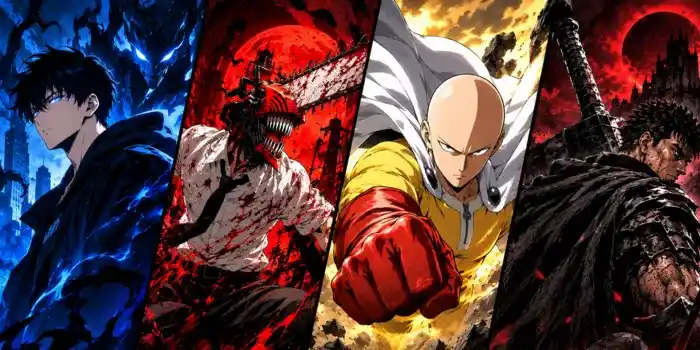
MANGADEX
Dive into the ultimate hub for manga enthusiasts. Explore legendary classics, rising masterpieces, and deeply emotional stories that transcend reality.
The Deep and Infinite World of Manga
Manga is far more than just a style of comic books originating from Japan; it is a profound cultural phenomenon that has completely reshaped the landscape of global entertainment. For decades, it has served as a bridge between generations, offering a storytelling medium that defies age, gender, and geographical boundaries. Unlike traditional Western comics, manga is read from right to left—a format that preserves the authentic and original vision of the creators, allowing readers to experience the artwork exactly as it was drawn. The sheer variety of genres available within this medium is staggering. Whether you are searching for heart-pounding action sequences, intricate psychological thrillers that test your mind, deeply emotional romances that pull at your heartstrings, or philosophical journeys that question the nature of existence itself, the world of manga holds a masterpiece waiting to be discovered by you.
The true beauty of this medium lies in its unique visual language. Mangakas (the esteemed manga artists) employ dynamic paneling, expressive character designs, and meticulous, labor-intensive line work to convey motion and emotion in a way that sometimes feels far more alive and visceral than modern animation. Every single drop of ink on the page serves a distinct narrative purpose. The spacing between panels, the thickness of the borders, and the shading techniques all work in harmony to guide the reader's eye and dictate the psychological pace of the story. It is this unparalleled blend of classical literature and fine art that makes reading manga an incredibly immersive and addictive experience. The industry has grown into a multi-billion dollar empire, yet at its core, it remains driven by individual creators pouring their souls onto blank pages, week after week, to share their dreams with the world.
One Punch Man Manga: Redefining the Power Fantasy
When discussing revolutionary storytelling and the deconstruction of the superhero genre, the One Punch Man manga stands tall at the absolute pinnacle of modern satire and action. Originally born from a crudely drawn but brilliantly written webcomic by the enigmatic author known as ONE, the series was later beautifully redrawn by the legendary illustrator Yusuke Murata. This collaboration created a series that flips the traditional shonen power fantasy completely upside down. The protagonist, Saitama, is not a struggling underdog trying to become the strongest; he is already the strongest being in the universe. He can defeat any enemy—from ancient subterranean kings to god-like alien conquerors—with a single, deeply unsatisfying punch.
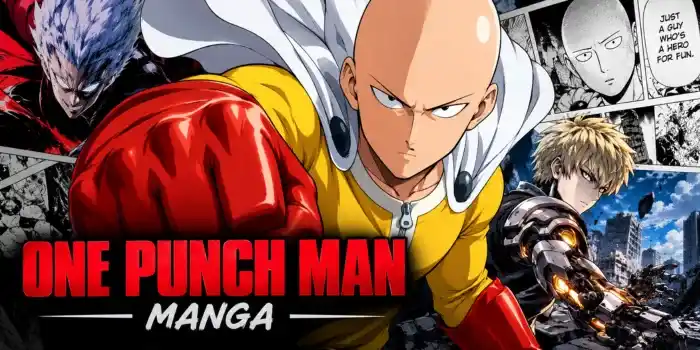
However, the true genius of the One Punch Man manga does not lie in its fight scenes, but rather in the existential dread and profound boredom that follows absolute victory. Saitama represents the ultimate human dilemma: what happens when you achieve your biggest life goal and have absolutely nothing left to strive for? Surrounding him is an incredibly detailed and vibrant world of heroes and monsters, each with their own complex hierarchies, deep-seated insecurities, and flashy ultimate attacks. Characters like the cyborg disciple Genos, the martial arts prodigy Garou, and the psychic powerhouse Tatsumaki provide the traditional high-stakes drama and breathtaking action sequences that readers crave. Meanwhile, Saitama serves as the hilarious, deadpan punchline to the universe's most serious and apocalyptic threats. Murata's artwork elevates the series to god-tier status, often creating double-page spreads and sequential action panels that flow like a high-budget anime movie.
Berserk Manga: The Dark Fantasy Masterpiece
There is standard dark fantasy, and then there is the Berserk manga. Created by the late, legendary Kentaro Miura, Berserk is widely regarded as a magnum opus of graphic storytelling that explores the absolute darkest corners of human nature, trauma, betrayal, and unyielding resilience. The epic narrative follows Guts, known as the Black Swordsman, a man who was literally born from the corpse of his hanging mother and raised in the bloody, unforgiving mud of medieval battlefields. Armed with the Dragon Slayer—a sword so impossibly massive and heavy that it is described as a raw slab of iron—Guts wages a seemingly impossible, blood-soaked war against monstrous, demonic beings known as Apostles, and the god-like entities that rule them, the God Hand.
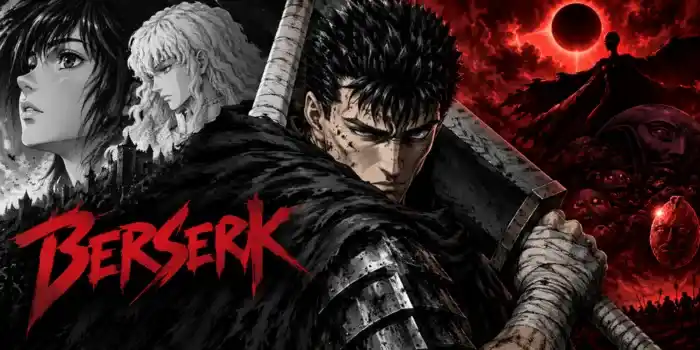
To read the Berserk manga is to witness an absolute masterclass in long-term character development and world-building. The tragic, beautifully complex, and ultimately doomed relationship between Guts and Griffith—the charismatic and blindingly ambitious leader of the mercenary group known as the Band of the Hawk—serves as the powerful emotional anchor of the entire series. Griffith's ambition to obtain his own kingdom is blindingly beautiful, yet horrifyingly destructive to anyone caught in its orbit. The infamous "Eclipse" arc remains one of the most shocking, emotionally devastating, and terrifying events ever put to paper in any medium. Yet, beneath the relentless blood, visceral gore, and terrifying Lovecraftian monsters, Berserk is ultimately a deeply philosophical story about the indomitable human spirit. It is a testament to the concept of waking up every single day and choosing to survive and fight back, no matter how much the universe and destiny itself want to crush you. Miura's hyper-detailed, cross-hatched artwork makes every single panel a gothic masterpiece that demands to be studied.
Solo Leveling Manga: The King of Pure Hype
Though technically classified as a Korean manhwa rather than a traditional Japanese comic, the Solo Leveling manga has dominated the global comic and webtoon scene with a ferocity and popularity rarely seen in the industry. Written by the visionary Chugong and illustrated by the immensely talented, late Dubu from Redice Studio, it tells the captivating story of Sung Jin-Woo, initially known as the "World's Weakest Hunter." The story is set in a modern world where mysterious, magical gates leading to monster-filled dungeons randomly appear across the globe. Jin-Woo risks his life daily in the lowest-level, most pathetic dungeons just to scrape together enough money to pay his comatose mother's mounting medical bills. His life changes forever after surviving a horrific, mind-bending double-dungeon trap that slaughters his party.
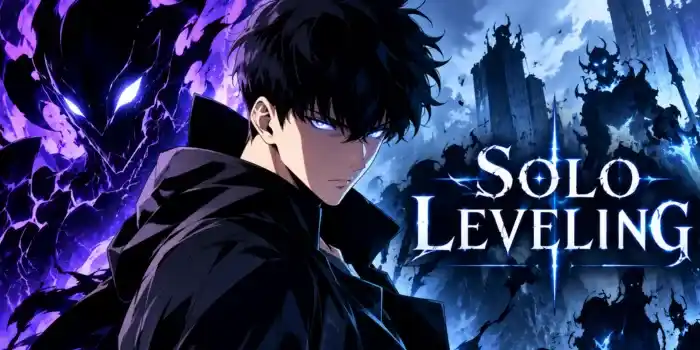
He miraculously awakens in a hospital bed as a "Player," having gained access to a mysterious, video-game-like interface system that allows him to level up his stats, skills, and physical abilities—a power that absolutely no other hunter in the world possesses. The pure addiction of the Solo Leveling manga lies in its flawless execution of unadulterated "hype." Watching Jin-Woo transform from a frail, desperate, and terrified boy into the omnipotent, god-like Shadow Monarch is incredibly satisfying and dopamine-inducing. Every new arc introduces exponentially stronger enemies, forcing Jin-Woo to grow sharper, colder, and more intimidating. The legendary moment he utters the single command "Arise" to resurrect his defeated enemies as loyal, glowing shadow soldiers is iconic within the community. The artwork utilizes the vertical scrolling format of webtoons perfectly, creating fluid, explosive, and dynamic combat sequences that glow with neon blues, vibrant purples, and intense dark energy. It is the ultimate power fantasy executed with absolute, undeniable perfection.
Demon Slayer Manga: Finding Beauty in Tragedy
Koyoharu Gotouge's Demon Slayer manga (known natively as Kimetsu no Yaiba) is not just a popular series; it is a monumental cultural juggernaut that shattered sales records and captured the hearts of millions worldwide. It tells the deeply heartbreaking and earnest tale of Tanjiro Kamado, a gentle, hardworking boy who returns home from selling charcoal to find his entire family brutally slaughtered by a demon. The only survivor is his younger sister, Nezuko, but the tragedy deepens as he realizes she has been transformed into a flesh-eating demon herself. Driven by pure love rather than revenge, Tanjiro's unwavering quest to find a cure to turn his sister back into a human leads him to endure grueling training to join the secretive Demon Slayer Corps.
What truly separates the Demon Slayer manga from standard, run-of-the-mill action series is its incredibly deep well of empathy and compassion. Tanjiro does not revel in the violence of killing demons; he deeply pities them. As they turn to ash, he recognizes the tragic, desperate human circumstances that drove them to become monsters in the first place, often holding their hands as they pass on. The series' power system—known as Breathing Styles—is visually poetic and breathtaking. Water Breathing flows with serene grace, while Flame Breathing erupts with overwhelming, scorching passion. The Hashira, the top-ranking elite swordsmen of the Corps, are vibrant, deeply eccentric, and profoundly flawed individuals who carry immense trauma, yet are willing to sacrifice absolutely everything to ensure the survival of the next generation. Ultimately, it is a story about the warmth, fragility, and power of human connection facing off against the cold, selfish isolation of demonic immortality.
Chainsaw Man Manga: Pure Cinematic Chaos
Tatsuki Fujimoto's Chainsaw Man manga is a wild, unpredictable, and blood-soaked fever dream that completely broke the internet and redefined what a Shonen Jump series could be. The protagonist, Denji, is a desperately poor teenager drowning in an astronomical yakuza debt left behind by his dead father. He doesn't harbor grand ambitions of saving the world, becoming a king, or seeking revenge; he just wants to eat toast with jam, sleep in a real bed, and maybe, just maybe, hug a girl. After being brutally betrayed, murdered, and chopped to pieces by the gangsters he worked for, his loyal pet devil dog, Pochita, sacrifices itself to become his new heart. This supernatural pact transforms Denji into the titular Chainsaw Man—a terrifying hybrid with roaring chainsaws erupting from his arms and head.
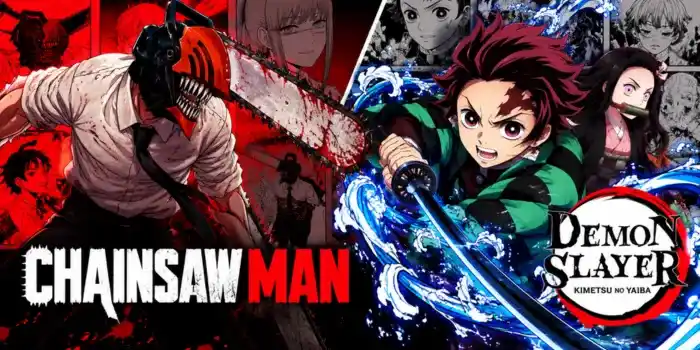
The Chainsaw Man manga thrives on absolute subversion and emotional whiplash. Fujimoto writes with a gritty, punk-rock ethos, showing no hesitation in killing off beloved major characters abruptly and steering the plot into mind-bending psychological horror without warning. The supporting cast—including the enigmatic Makima, the chaotic blood fiend Power, and the brooding Aki—are deeply unconventional and realistically flawed. The series brilliantly explores heavy, mature themes of manipulation, childhood trauma, state control, and the inherent human desire for genuine intimacy, all wrapped up in hyper-violent, grotesque, and beautifully messy artwork. Fujimoto's paneling heavily mimics cinematic camera angles, making the reading experience feel akin to watching a high-octane Quentin Tarantino film mixed with surreal, existential supernatural horror.
My Reading Manga: A Deeply Personal Journey
Every single fan in the community has their own unique my reading manga story. It is that specific, unforgettable moment when static black-and-white pages suddenly transform into a vivid, breathing world in your mind. For some readers, the journey begins with the warm nostalgia of old-school, classic physical volumes borrowed from a local library; for others, it starts with the vibrant, fast-paced digital simulpub releases of today on their smartphones. Curating your personal manga reading list is not just about entertainment; it is like building a library of your own soul, reflecting the phases of your life, your shifting emotional states, and your growing maturity.
When you talk about "my reading manga list," you are talking about those late nights spent swiping to the very next chapter with burning eyes because the cliffhanger was simply too good to put down. You are talking about the profound emotional attachment you form with fictional characters who begin to feel like old, trusted friends. Tracking your reading progress on databases, discovering obscure hidden gems in niche genres, and participating in passionate community discussions on forums—these elements make consuming manga a highly interactive, communal, and personal hobby. The medium naturally evolves alongside you; the hot-blooded battle shonen series you adored as a teenager might eventually give way to mature, slow-burn psychological dramas (seinen) or complex slice-of-life stories as you grow older and experience the complexities of the real world.
One Piece Manga: The Unrivaled Epic of Our Time
Eiichiro Oda's One Piece manga is not just a comic book; it is a sprawling, modern-day mythological Odyssey. Having been serialized for over two decades and boasting well over 1000 chapters, it holds the prestigious title of being the best-selling manga in human history. The narrative follows Monkey D. Luffy, a rubber-bodied boy whose simple but unwavering quest is to find the ultimate, legendary treasure known as the One Piece and crown himself the King of the Pirates. What Oda has accomplished is a masterclass in unparalleled, intricate world-building. His universe is teeming with bizarre, fantastical islands, complex, deeply corrupted political systems, profound historical mysteries, and a lore that stretches back hundreds of years into a forgotten void century.
The true, undeniable strength of the One Piece manga lies in its incredible core cast, the Straw Hat Pirates. Each member—from the stoic swordsman Zoro to the terrified but brave sniper Usopp—has an agonizingly tragic backstory and an impossible, sky-high dream. Oda is a genius at seamlessly blending goofy, cartoonish, laugh-out-loud comedy with tear-jerking, soul-crushing emotional moments and incredibly serious, real-world themes like institutionalized slavery, systemic racism, and tyrannical governmental corruption. His foresight and foreshadowing are legendary within the literary world—minor, seemingly insignificant details introduced in chapter 100 often become massive, world-shaking plot points in chapter 900. It is a grand, romantic adventure of a lifetime that continues to amaze, surprise, and inspire millions of dedicated readers every single week.
JJK Manga: The Pinnacle of Modern Sorcery
Gege Akutami's JJK manga (formally known as Jujutsu Kaisen) represents the absolute cutting edge of the modern shonen demographic, taking the tropes established by its predecessors and sharpening them into deadly weapons. The story kicks off when an unnaturally athletic high schooler named Yuji Itadori makes a split-second, life-altering decision to swallow the rotting, cursed finger of Ryomen Sukuna, the ancient and malevolent King of Curses. By doing so, he is violently thrust into a hidden, brutal, and shadowy world of Jujutsu Sorcerers—individuals who use their own negative emotions as a power source to fight grotesque manifestations of human malice known as Curses.
The narrative of the JJK manga is famously ruthless and unforgiving. Akutami does not pull punches; actions in this world have permanent, devastating, and fatal consequences. The Shibuya Incident arc is widely considered by critics and fans alike as a modern masterpiece of pacing, unbearable tension, and sheer heartbreak. The power system—centered around Cursed Energy and the visually stunning ultimate techniques known as Domain Expansions—is incredibly complex and well-thought-out, turning physical battles into high-speed, lethal intellectual chess matches where rules and conditions matter as much as raw strength. Characters like the arrogant and omnipotent Gojo Satoru, the tragic Toji Fushiguro, and the pure evil Sukuna drip with charisma and sheer, terrifying presence. It is dark, gritty, fast-paced, and features some of the best, most fluid hand-to-hand combat choreography in manga history.
Free Manga: How to Support the Industry Legally
As the medium's global popularity continues to explode at an unprecedented rate, the search for accessible free manga has naturally skyrocketed. Historically, international fans had no choice but to rely on low-quality, illegal scanlation websites that stole views and revenue from the hardworking creators. However, today, the publishing industry has adapted brilliantly to the digital age. You can now access high-quality, official, and beautifully localized translations for free, directly supporting the original creators and the industry in the process.
Applications and services like MANGA Plus by Shueisha and the official Shonen Jump app allow readers worldwide to read the latest chapters of massive, trending hits on the exact same day they release in Japan—entirely for free. This simulpub (simultaneous publishing) system has successfully unified the global fandom, allowing fans from Tokyo to New York to experience the hype together without delay. By utilizing these legal platforms, you ensure that the mangakas, who often work gruelingly long hours under immense physical and mental pressure, receive the viewership metrics and financial support they deserve to keep drawing the stories we love. Reading free manga legally no longer means engaging in piracy; it means championing global accessibility and ensuring the future health of the manga industry.
Blue Lock Manga: Football Meets Battle Royale
The Blue Lock manga has completely shattered the conventions of the traditional sports manga genre. Written by Muneyuki Kaneshiro with intense, sharp artwork by Yusuke Nomura, Blue Lock takes the world of competitive football (soccer) and injects it with a high-stakes, battle-royale survival mentality. Following a devastating defeat in the World Cup, the Japanese Football Union initiates a controversial, prison-like training program called Blue Lock. The goal? To isolate 300 of the country's most talented high school forwards and forge the world's most egotistical, ruthless, and unstoppable striker. The player who survives will lead Japan to glory, while those who fail are permanently banned from ever playing for the national team.
Instead of focusing on the traditional sports tropes of the "power of friendship" and flawless teamwork, Blue Lock glorifies extreme ego and selfishness. Striker Isagi Yoichi, the protagonist, starts as an average team player but quickly realizes that to survive in this facility, he must out-think, out-maneuver, and emotionally devour his own teammates. The psychological warfare on the pitch is just as intense as the physical exertion. Every match feels like a life-or-death scenario, and the series brilliantly redefines what it means to have the hunger and absolute obsession required to be the very best in the world. It is tense, psychological, and unputdownable.
Gachiakuta Manga: The Rising Star of the New Generation
The future of the manga industry is incredibly bright, spearheaded by innovative, visually stunning titles like the Gachiakuta manga. Created by the rising star Kei Urana, this series is a visual explosion that grabs your attention from the very first page. The story is set in a deeply segregated, dystopian world divided between a wealthy, pristine sky city known as the Sphere, and a toxic, endless garbage dump below known as the SLum. When people in the Sphere commit crimes, they are literally thrown over the edge into the trash along with the city's refuse. It follows Rudo, a fiercely angry boy wrongfully accused of murder and cast down into the Slum.
What truly makes Gachiakuta a standout hit is its breathtaking aesthetic and unique power system. Rudo must fight to survive using weapons made from discarded trash, known as Jinki. These objects gain immense power based on the emotional value and care their owners put into them. Urana's art style is heavily influenced by modern graffiti, streetwear, and punk culture, giving the series a uniquely rugged, aggressive, and highly kinetic aesthetic. The manga brilliantly tackles heavy societal themes of classism, the environmental impact of waste, and the inherent value of discarded things and marginalized people. It proves that the manga industry continues to evolve, constantly producing fresh, aggressive, and brilliant new voices ready to tell the next great story.