Introduction
Few works have sparked debates and stirred feelings quite like “Bad Thinking Diary” in the energetic and fast-expanding world of manhwa. Written by Park Dothan and illustrated by Rangrari, this yuri (girls’ love) manhwa relates a narrative that is as intense as it is introspective. Combining friendship, love, emotional turmoil, and the difficulty of self-identity, the show provides a frank and powerful view into the complexity of human connections.
Stories like Bad Thinking Diary are more available than ever thanks in part to digital comics and worldwide access to webtoons. Its distinct story and daring depiction have not only enthralled viewers but also helped to spark a more general discussion on LGBTQ+ issues in popular media. In a thorough, accessible approach, this article looks at the characters, themes, emotional depth, cultural background, and historical significance of Bad Thinking Diary. We also explore its impact, psychological realism, and future promise in the anime industry.
The Premise: Navigating Emotional Crossroads
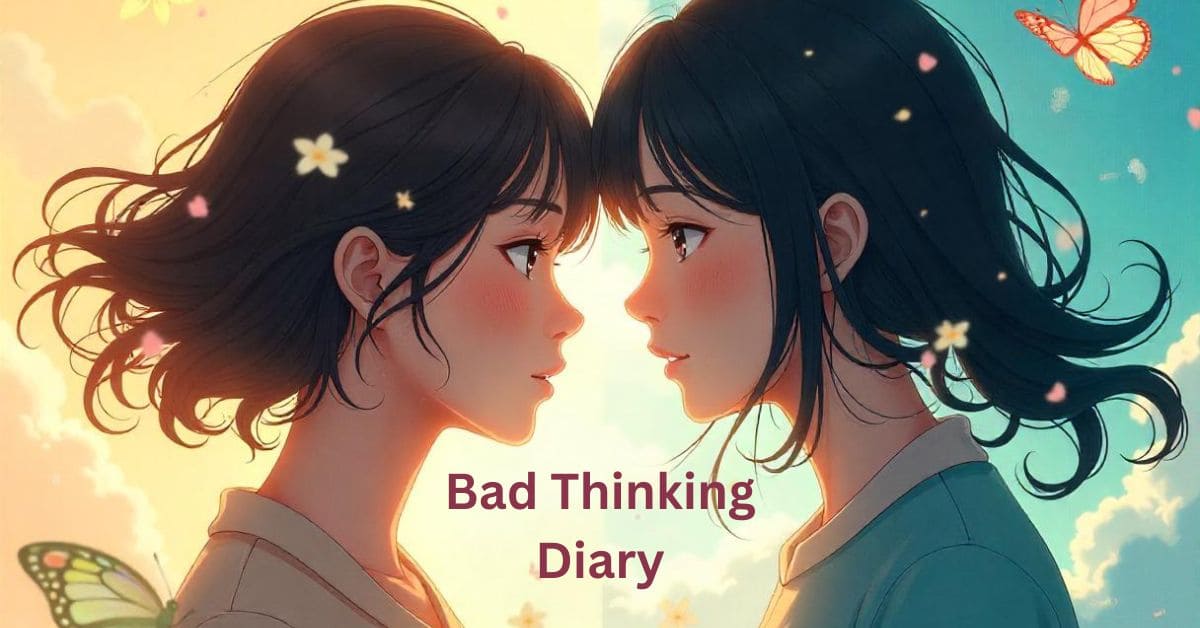
Bad Thinking Diary tracks the path of two best friends from high school, Min-ji and Yu-na, who keep a close relationship into middle age. Cheerful and gregarious Min-ji starts to have emotionally charged dreams about Yu-na that put her knowledge of their relationship to the test. She has to choose between risking their relationship by revealing her feelings or hiding them in fear of rejection as she grapples with these conflicting sensations.
Conversely, Yu-na seems cool and collected but is battling her emotional turmoil. Her chilly responses and incidents of sensitivity deepen her character, so to both Min-ji and readers, she remains a mystery. External factors start to affect their decisions as their emotional stress builds, creating a conflict of emotions, heartbreak, and self-discovery.
The narrative deftly swings between individual vulnerability and more general societal issues, therefore presenting a compelling portrait of the internal and external conflicts LGBTQ+ people may go through. It’s a story that shock value or stereotype will not help, but rather one that will flourish on complexity and subtlety.
Character Analysis: Complexity and Growth
Min-ji
- Driven, emotionally accessible, and erratic.
- fights personal turmoil between friendship and romantic craving
- Her character development shows growth via pain and vulnerability.
- represents rejection, self-doubt, and romantic ambiguity real-world concerns
Yu-na
- Refined, emotionally shielded, and mysterious
- Represents the anxiety of social judgment and internalized denial
- Evolves through conflicts and moments of breakdown
- A mirror to the audience’s hidden fears and longings
Hye-ra
- the controlling third party in their connection
- Represents outside interference and toxicity.
- Symbolizes emotional manipulation, insecurity, and envy
- a story catalyst for truth and conflict resolution
Though little, this cast represents a vast spectrum of emotional and psychological archetypes that make their issues relevant to everyone.
Exploring Deep Themes
Unreturned and Difficult Love
- At the heart of the emotional conflict of the story
- Highlights the sensitivity involved in revealing romantic emotions.
- Emphasizes the anxiety of severing long relationships.
Identity and Self-Acceptance
- Min-ji and Yu-na struggle with their sexual identities.
- Reflects actual difficulties faced by LGBTQ+ youth
- Investigates internalized homophobia and the path toward acceptance
Manipulation and Psychological Pressure
- Hye-ra’s interference represents the battlefield of mental health problems brought on by toxic individuals.
- Shows how manipulation can create emotional divisions among individuals.
- Highlights the power required to liberate oneself from negative patterns.
These ideas resonate with readers dealing with similar internal struggles and social pressure; they are not only narrative devices.
Artistic Brilliance
The emotional depth of the story is enhanced by Rangrari’s visual approach. Every frame is meticulously designed to highlight slight facial expressions, physical proximity, and psychological tension. How readers perceive emotional beats depends much on the use of visual storytelling.
- Soft, moody color schemes inspire emotional closeness and melancholy.
- Accurate facial expressions convey psychological subtlety.
- Intimate framing deepens the effects of romantic and dramatic scenes.
- Lighting and contrasts add turning points and internal conflict centrality.
The reason individuals are so captivated by this manhwa is Rangrari’s artistic ability. It’s their appearance when they say it, not only what the ideas convey.
Cultural Relevance and Representation
Bad Thinking Diary is revolutionary for its honest depiction of same-sex relationships in a South Korean setting, where traditional cultural standards frequently exclude LGBTQ+ stories. The show helps to normalize many romantic expressions and stimulates conversation on gender and sexuality by voicing these encounters.
- Challenges conventional gender norms and roles
- Represents underprivileged groups in society
- Promotes more general debates on mental health and LGBTQ+ rights
- Gives hope, realism, and bravery to people negotiating parallel paths
Its capacity to address these topics unpreachy or exaggerated enhances its credibility and influence.
Global Reach and Popularity
Bad Thinking Diary has found readers all around and is accessible on sites including Lezhin Comics. It is frequently mentioned in fan art, online forums, and critiques. This degree of worldwide involvement reflects the universal subjects of love, identity, and the fight for self-expression.
- A large following on Discord, Twitter, Tumblr, and Reddit
- translations of fan panels in many languages
- Ranked among the best LGBTQ+ manhwa on prominent comic platforms
- often lauded in reaction critiques and YouTube video essays
Two important elements driving its continued popularity are global accessibility and emotional relatability.
Comparison with Other Yuri Works
Unlike many Yuri series that glorify romanticism, Bad Thinking Diary presents a raw, emotional, and realistic view of love. Though it differs in its psychological depth and unabashed rawness, it has thematic parallels with works like “Citrus” and “Bloom Into You.”
| Feature | Bad Thinking Diary | Citrus | Bloom Into You |
|---|---|---|---|
| Tone | Realistic & Raw | Dramatic & Melodramatic | Soft & Reflective |
| Themes | LGBTQ+, trauma | Forbidden love | Identity, asexuality |
| Art Style | Subtle, expressive | Sharp, glossy | Minimalist, clean |
| Character Development | Deep and evolving | Moderate | Philosophical |
This comparative perspective highlights how Bad Thinking Diary creates its distinct area in the genre.
Emotional Realism: A Psychological Perspective
The manhwa openly shows anxiety, sorrow, jealousy, and ambiguity. The emotional swings between Min-ji and Yu-na reflect actual relational difficulties. It strongly connects with its viewers by leveraging the psychological complexity of love and trauma.
- Scenes reflect actual conflicts in queer marriages.
- Therapeutic realism in the depiction of healing, confrontation, and communication
- Correct representation of internalized anxiety and romantic miscommunication
- Emotional climaxes help readers relate strongly.
Its unfiltered, unprocessed approach to romance makes it a strong vehicle for those looking for emotional reality.
Community Engagement and Reader Impact
The manhwa has developed a devoted and enthusiastic following. Conversations span from debates on relationship ethics to examinations of character motives. It has inspired many fan works, including animated adaptations, character backstories, and other endings. This degree of involvement emphasizes its cultural impact.
- Fanfiction, anime music videos, and web animations are frequent.
- Reader surveys and Reddit threads dissecting every emotional shift
- Community translations, cosplays, and merchandise designs
- Devoted YouTube channels dissecting the themes of every chapter
Such strong readership engagement shows that Bad Thinking Diary is a common emotional experience, not only a narrative.
Future Potential: Could It Become an Anime?
Many viewers wonder about an anime adaptation given its notoriety, visual storytelling approach, and emotionally charged plot. Although there is no formal statement, the manhwa’s character design and pacing are best suited for animation.
- Increasing world interest in Yuri and LGBTQ+ narratives
- Studio interest in anime adapting webtoons (e.g., Tower of God, Solo Leveling)
- AMVs and concept trailers show current fan demand.
- A possible anime could broaden its audience and strengthen its cultural influence.
An animation adaptation would continue the manhwa’s goal in a different medium by bringing even more exposure to LGBTQ+ stories.
Conclusion
Bad Thinking Diary is an investigation of the human heart, not only a Yuri love story. It challenges conventional topics, asks tough questions, and encourages readers to consider their emotional journeys. Whether you enjoy romance, psychological drama, or realistic storytelling, this manhwa offers a profoundly emotional trip.
Its fusion of real people, complicated themes, emotional depth, and beautiful graphics leaves a lasting influence that transcends the book. It’s a narrative that stays in your thoughts, begs for re-reading, and prompts personal introspection. Bad Thinking Diary is a must-read for anyone seeking to investigate Yuri’s narrative nuances.
FAQs
Is Bad Thinking Diary appropriate for all readers?
- Not at all; it has adult themes appropriate for adult readers.
Where can I read Bad Thinking Diary?
- Officially, she can be found on digital sites like Lezhin Comics.
The manhwa has how many chapters?
- There are 60 episodes in the series.
Are the characters drawn from actual life?
- Not really, but their feelings and experiences have roots in reality.
Is a sequel or follow-up planned?
- There is no officially confirmed sequel as of now; however, followers continue to wish for more material or a potential anime version.